Stability before finish
Premium MDF cores, balanced veneers and appropriate substrates help reduce movement and keep painted, veneered or panelized surfaces more stable over time.

CAS AURUM
European oak, American walnut, rift white oak, natural veneers, premium MDF cores and stable substrates planned for durable custom interiors.
Material Guide
Materials are not chosen only for how they look in a sample. CAS AURUM reviews wood species, veneer structure, substrate stability, finish durability, grain direction, humidity movement, lighting conditions and how the surface will be touched every day. That matters for walnut custom furniture, white oak cabinetry, natural wood wall panels, media walls, built-ins and architectural millwork in Georgia homes.
Materials & Craftsmanship
CAS AURUM plans TV walls, media walls, architectural wall panels, custom furniture, custom kitchens, built-ins, fireplaces, shelving systems around material behavior, architectural precision and warm natural surfaces. In North Atlanta, useful material planning must account for humidity, dimensional stability, substrate selection, veneer balancing, grain direction and fabrication quality. The goal is timeless design over disposable trends: durable surfaces, responsible material selection, low-waste planning where accurate and custom work that still feels relevant years later.
Premium MDF cores, balanced veneers and appropriate substrates help reduce movement and keep painted, veneered or panelized surfaces more stable over time.
Veneer matching, flitch matching and grain direction planning make oak, walnut and natural veneers feel intentional across doors, panels and built-ins.
Material selection should balance refined appearance with cleaning, touch points, sunlight, humidity and the way real families use kitchens, closets, media walls and storage.
Sustainable Design Thinking
Eco-conscious custom interiors begin with thoughtful planning: selecting appropriate materials, reducing avoidable waste through clearer dimensions, designing durable pieces that do not need frequent replacement and choosing natural wood textures where they fit the room. CAS AURUM does not claim certifications unless they are verified for a specific product or supplier.
Nature-Inspired Living
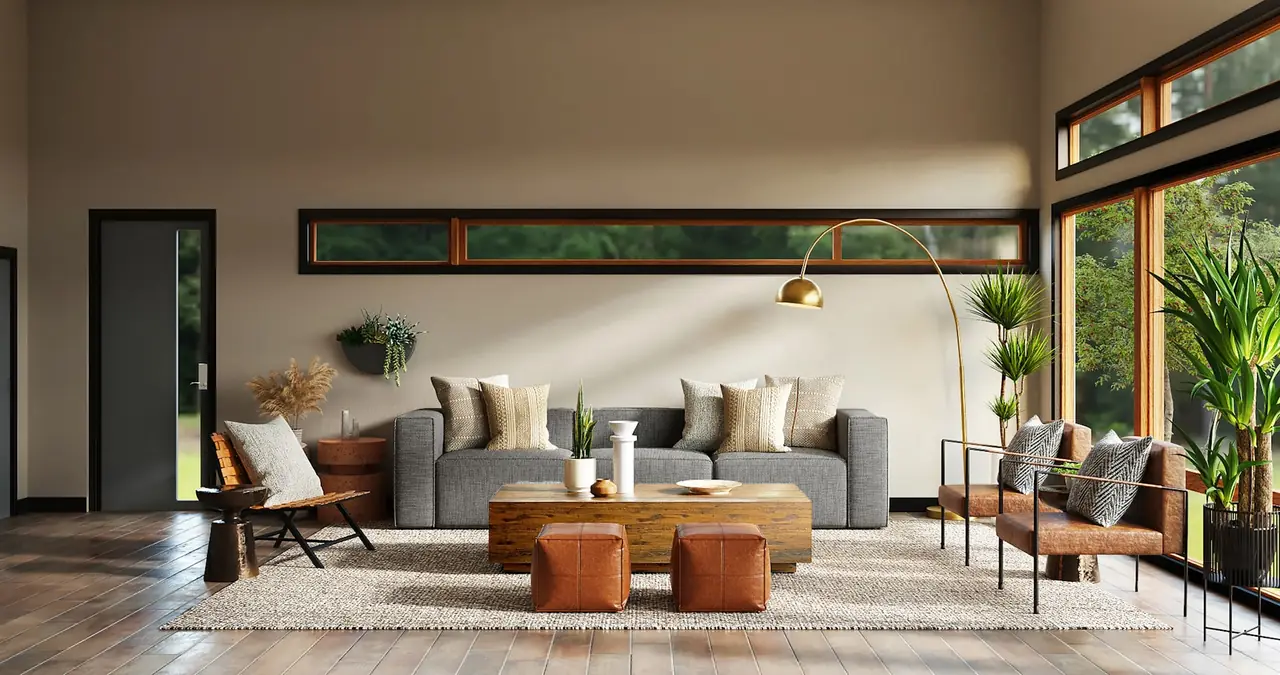
CAS AURUM can design millwork that supports natural light, wood texture, outdoor views and calmer daily living. Plant-friendly shelving, window-integrated storage, patio-adjacent cabinetry, sunroom storage and warm organic finishes help create spaces people enjoy living in. Live plant installation, irrigation and landscaping remain coordinated with the appropriate professionals when needed.
Materials affect durability, appearance, maintenance and long-term performance. A TV wall, cabinet door, shelf or panel system has to survive touch points, sunlight, cleaning, humidity, hardware movement and daily use after the sample has been approved.
Wood species shape the mood and technical behavior of custom interiors. European oak, American walnut and rift white oak each bring a different grain, color range and level of visual movement to media walls, cabinetry, built-ins, closets, wall panels and furniture.
European oak is often selected for its warm color range, visible grain and ability to feel architectural without becoming visually heavy. It works well for shelving, slat panels, cabinetry fronts, built-ins and furniture when the grain direction is planned consistently.
American walnut brings deeper color, softer movement and a warmer texture. CAS AURUM often reviews walnut for media walls, floating consoles, custom furniture, bar cabinets, offices and display pieces where the material should add depth without overpowering the room.
Rift white oak is useful when a straighter, more linear grain is important. It can make contemporary cabinetry, wall panels and built-ins feel calmer because the surface reads as a controlled architectural field rather than a busy natural pattern.
Veneers are thin natural wood layers applied to a stable core. They are used when large media walls, doors, panels and cabinetry need grain consistency, scale and better material yield than solid wood would allow across wide surfaces.
MDF cores can support stable painted finishes, veneered panels, doors and cabinetry when the grade, thickness and construction method fit the project. The core affects flatness, consistency, edge detail, finish quality and humidity response.
European oak works well when the goal is warm minimalism without a heavy visual weight. It can support slat panels, built-ins, shelving, cabinetry fronts and furniture pieces when the grain is planned consistently across the room.
Walnut brings depth to TV walls, consoles, desks, wardrobes and display cabinetry. It should be reviewed around lighting, sheen, veneer matching and adjacent floors so the finished room feels intentional rather than dark by accident.
Rift white oak is often chosen when a straighter grain pattern is important. It can help kitchen cabinetry, built-ins and panels feel architectural, especially when door spacing, reveals and hardware are kept quiet.
Large panels and doors need more than a pretty face veneer. Balanced construction, flitch matching, edge details and sequence planning help wide surfaces stay stable and read as one composed material field.
A finish should be judged by touch points, cleaning expectations, sunlight, children, pets, entertaining and daily routines. A beautiful sample is not enough if the finish will show every fingerprint or wear poorly in the room where it is used.
Waste is reduced most effectively through accurate dimensions, clear elevations, careful material takeoffs and fewer late changes. That is why CAS AURUM emphasizes concept clarity and technical review before production decisions.
In Atlanta and North Atlanta, material planning should account for humid summers, conditioned interiors, sun exposure, expansion, contraction and the difference between a dry sample room and a lived-in family space. Door sizes, panel widths, reveals, finish sheen, substrate selection and fabrication quality all help manage those conditions.
The visible wood is only one layer of the decision. A cabinet, wall panel or media wall may need MDF, plywood, veneer balancing, edge banding, blocking or metal support depending on span, weight, finish, hardware and how the piece meets the wall or floor.
Budget depends on species, veneer method, finish level, size, hardware, lighting, installation access and revision history. Early material direction gives the estimate a real basis, while keeping enough flexibility for samples, availability and technical constraints.
Responsible material selection is not a slogan. It means choosing appropriate species and substrates, planning dimensions before cutting, designing pieces with a long product life, reducing avoidable waste and avoiding certification claims unless the specific product or supplier can verify them.
CAS AURUM discusses sustainable material selection and eco-conscious choices where accurate. We do not claim certifications, forestry labels or third-party environmental ratings unless they are verified for a specific material or supplier.
Start With a Project Request
Project review is the lower-risk entry point: it turns photos, goals, material preferences and rough dimensions into a practical next-step scope before fabrication or installation decisions are made.
Common directions include European oak, American walnut, rift white oak, natural veneers, premium MDF cores, durable finishes and hardware selected around the project.
Yes, when the correct grade and construction method are used. Premium MDF cores can support stable painted or veneered cabinetry and panel systems.
Stable substrates, balanced veneers, thoughtful finish selection, acclimation and details that allow normal material movement are important in Georgia homes.
No certification is claimed unless verified. CAS AURUM focuses on responsible material selection, durability, low-waste planning where accurate and long-term usefulness.
Grain direction, veneer matching and flitch matching can be reviewed when the design requires a more continuous architectural surface.
Photos are useful for direction, but final material decisions should account for samples, lighting, natural variation, budget and fabrication suitability.
Veneer over a stable core can make large doors, panels and media walls flatter, more consistent and more practical than wide solid boards across a large surface.
Finish durability should be discussed before pricing and production because sheen, cleaning, sunlight, fingerprints, moisture and repair expectations can change the right material choice.
CAS AURUM
Upload photos, rough dimensions, city or ZIP code and material goals. CAS AURUM will recommend a project review, Quick Project Estimate, Technical Millwork Planner or realization path.